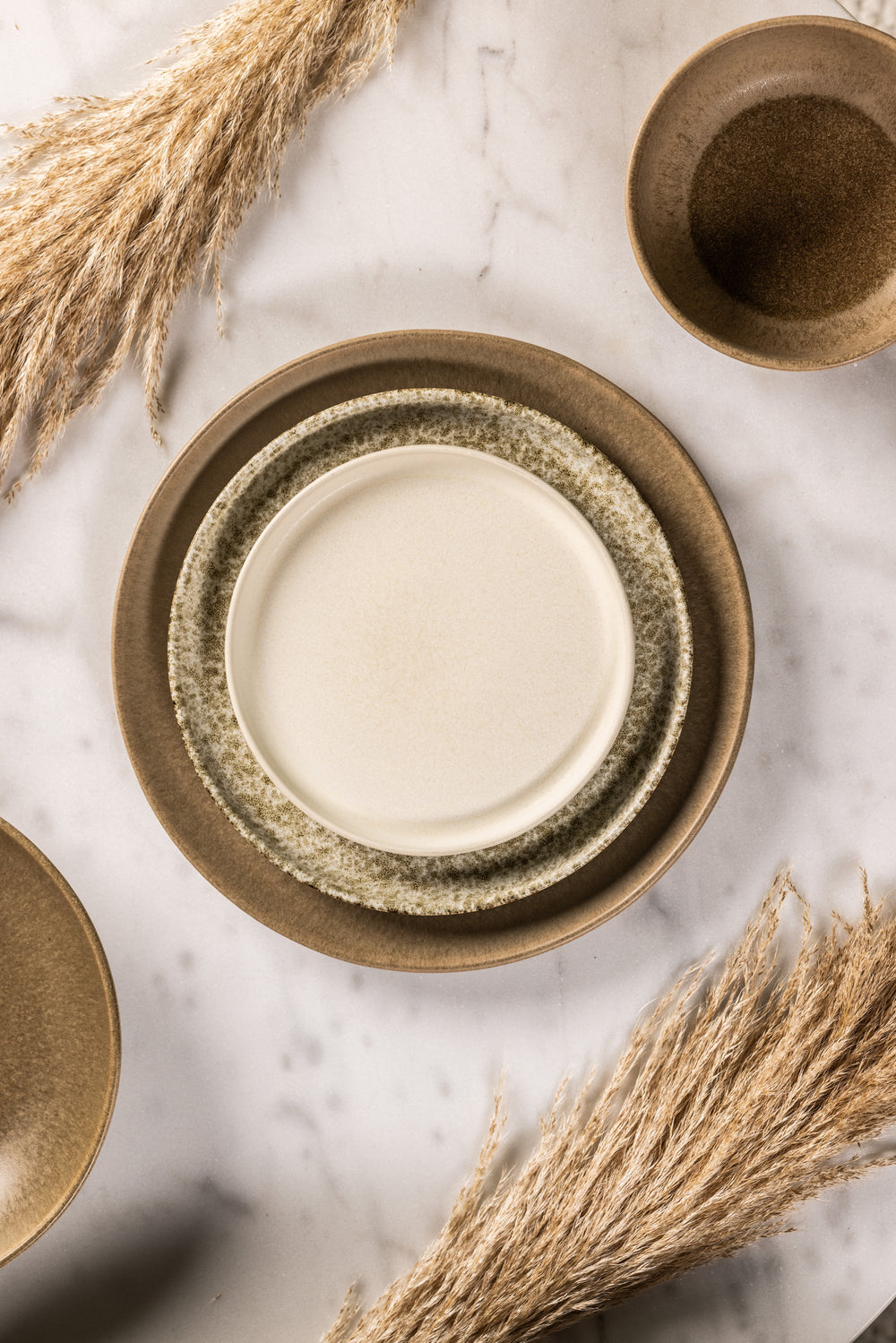

Japandi tableware: What is it and which tableware suits it?

Sitting down to a meal with dinnerware that perfectly matches your home's aesthetic is a feeling difficult to describe. It just feels right. Dinnerware in Japandi style evokes that feeling: tranquil, timeless, and warm all at once. But what exactly is Japandi? And how do you choose dinnerware that truly fits this style?
What is Japandi style?
Japandi is a combination of two design traditions that at first glance seem very different. On one hand, there's Japanese aesthetics, which revolve around simplicity, serenity, and precision. On the other hand, there's the Scandinavian approach, which prioritizes warmth, functionality, and a connection with nature.
Together, they form a style that doesn't choose between these two worlds but connects them. Japandi interiors are calm without being cold. Minimalist without feeling empty. The materials are natural: wood, linen, ceramics. The colors are subdued: beige, cream, brown, sage green, dark gray.
Characteristic of Japandi is the art of omission. Not every surface needs to be filled. Not every object needs a statement. What is there, is there intentionally.
Why ceramics fit so well with Japandi
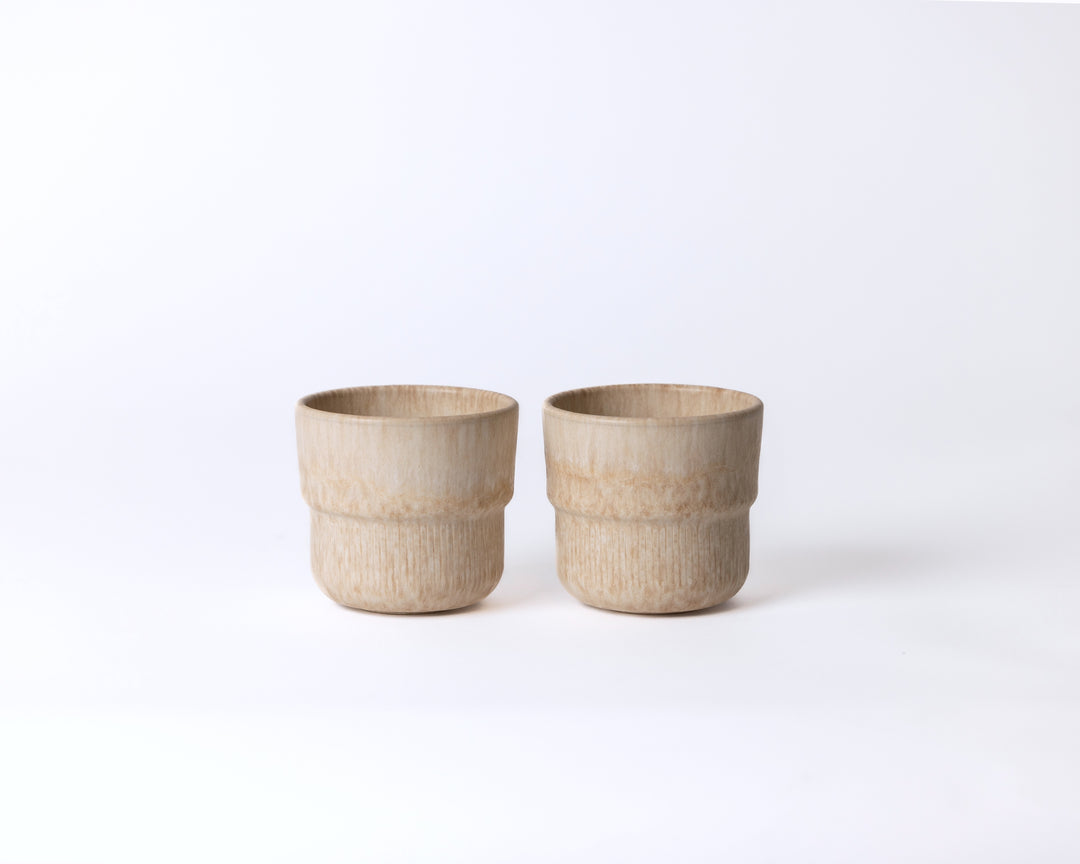
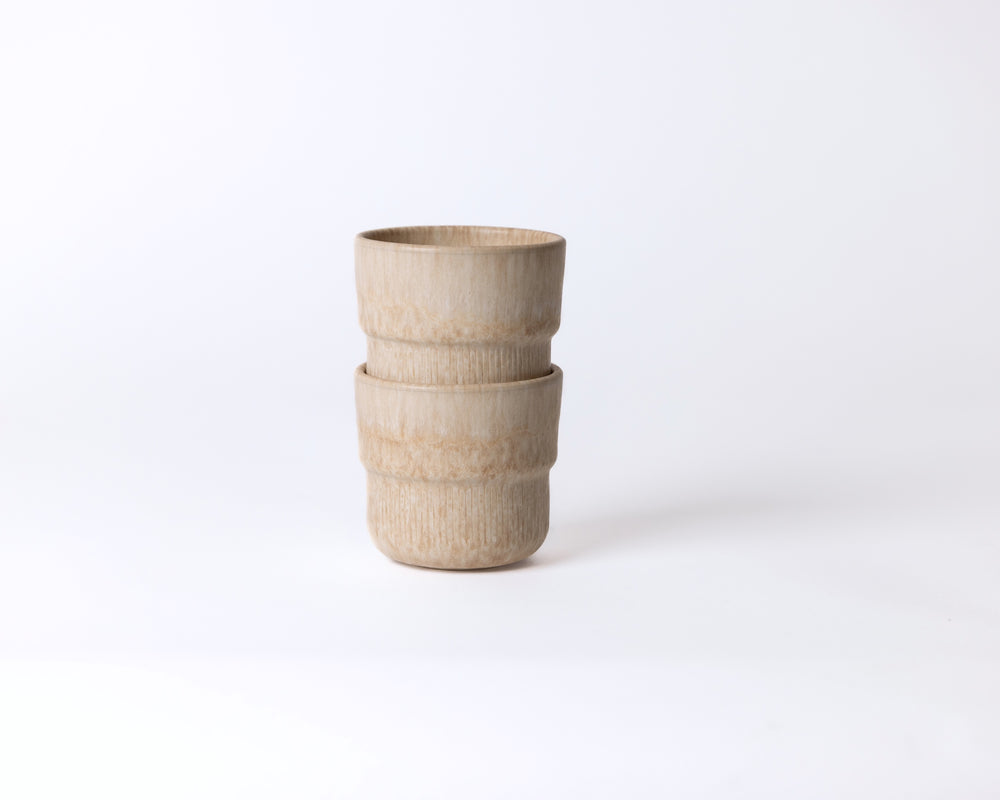
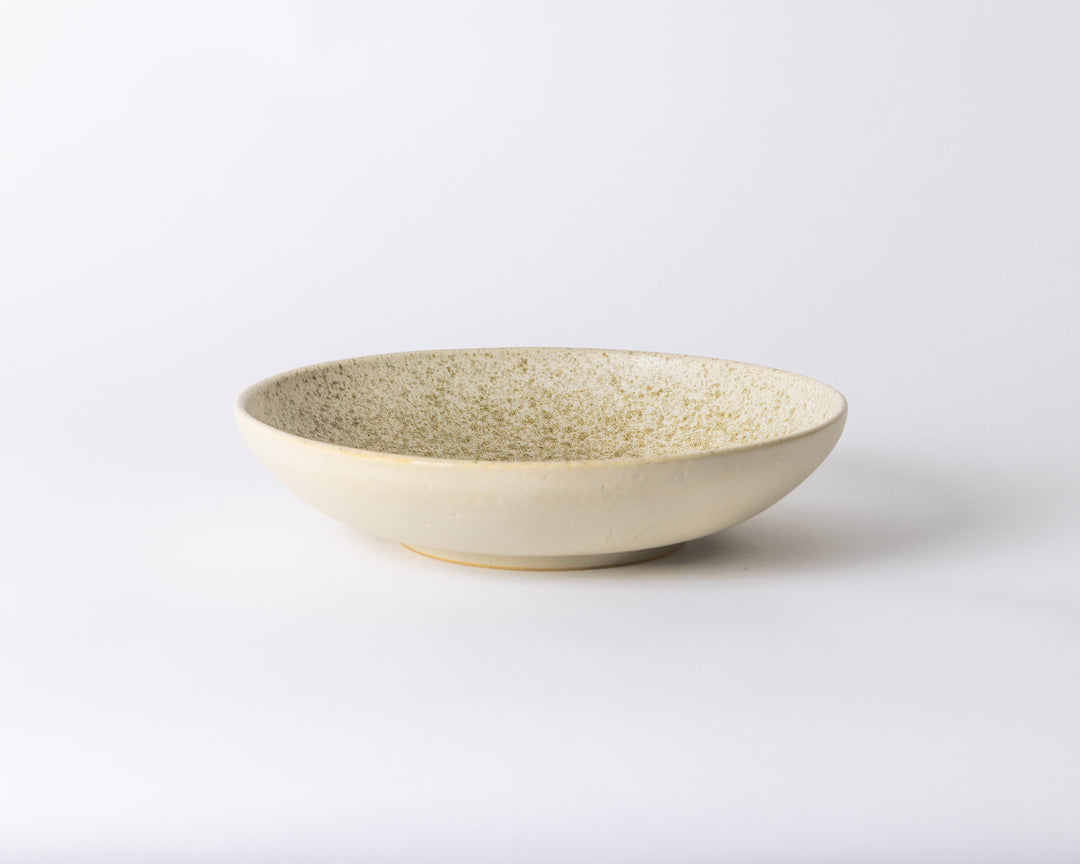
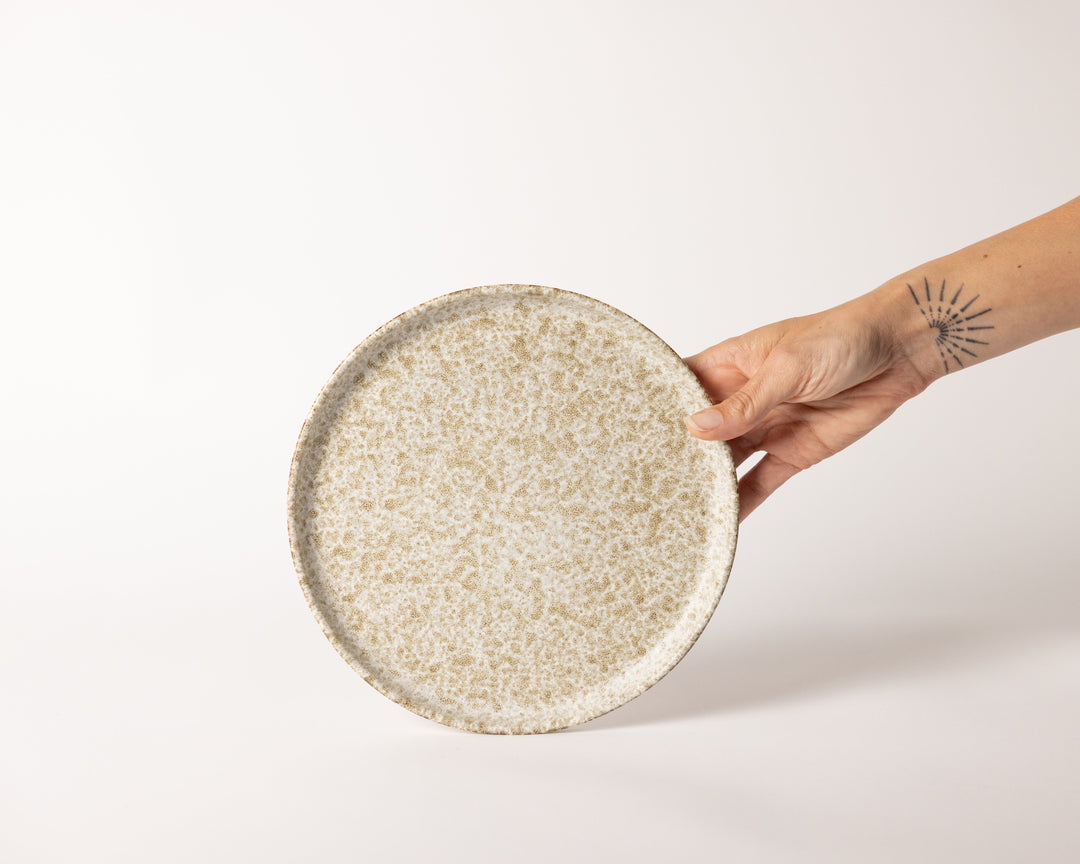
Dinnerware collections in Japandi style begin and end with the material. Ceramic naturally possesses everything the style demands: a matte finish, organic shapes, and subtle variations that make each piece unique.
The latter is not insignificant. Japandi is all about authenticity. About the feeling that an object wasn't created on an assembly line, but by a person, with care. Ceramic finished with reactive glaze has precisely this quality. The color reacts to the heat of the kiln, creating a different outcome every time. No two pieces are identical. That fits a style that doesn't strive for perfection but celebrates character.
What colors suit Japandi dinnerware?

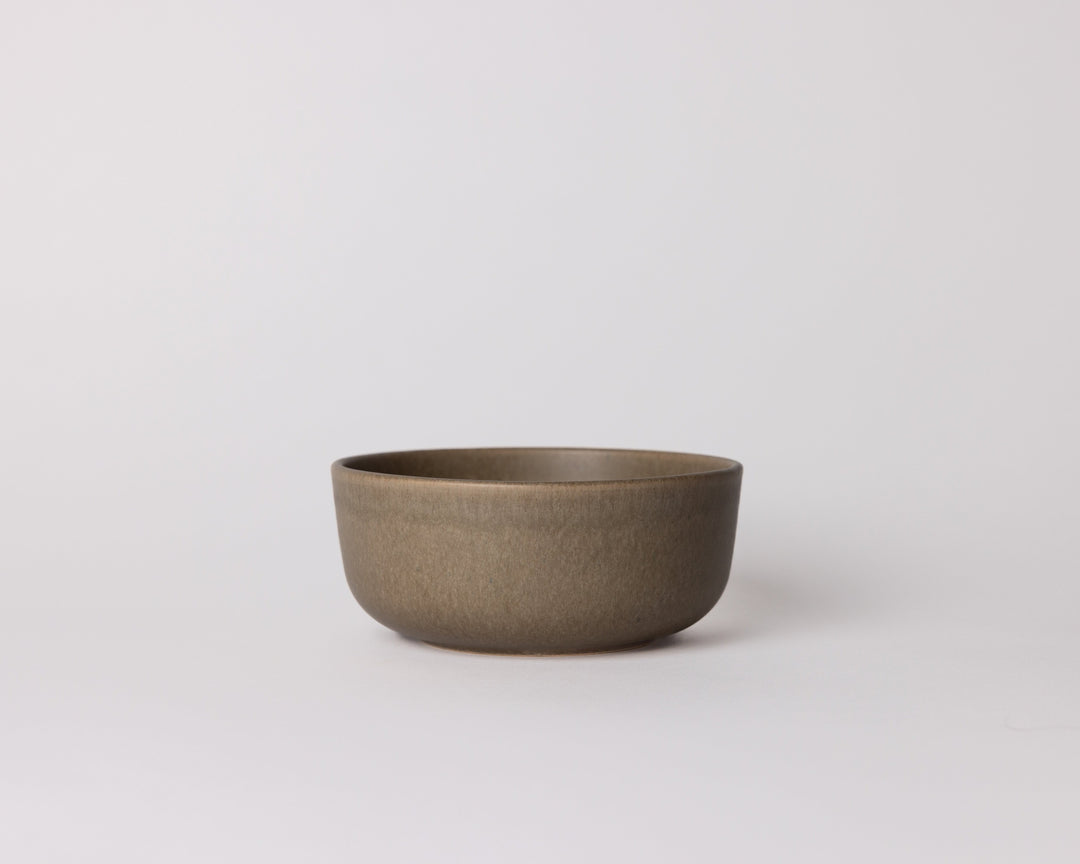
Japandi's color palettes are based on what nature provides. Think of the color of sand after rain, tree bark, seagrass, a cloudy morning sky. Specifically, this means: earth tones, off-white, matte browns, soft greens, and deeper grays. Bright colors are out of place here. Glossy glazes, too.
For Japandi style dinnerware, look for:
Beige and off-white. The most neutral base for a Japandi table setting. Works with virtually any dish and complements any interior leaning in the same direction.
Brown and earth tones. Warmer than beige, and they give the table more depth. A matte brown hue on a plate highlights the colors of a dish better.
Green, in muted tones. Sage green, moss green, deep green. Not bright, but full-bodied. It brings a connection to nature to the table, which is central to Japandi.
Dark gray and black. As an accent. A dark coffee cup next to a light plate, or a dark bowl on a natural placemat: that contrast is typically Japandi.
Mix and match in Japandi style
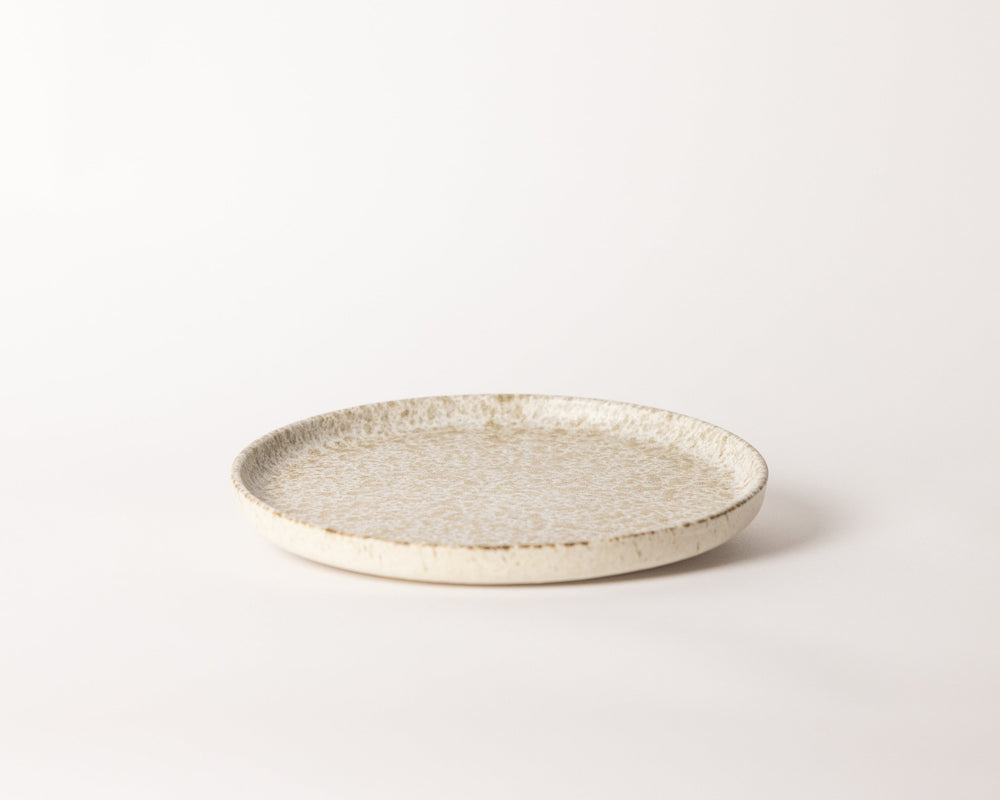
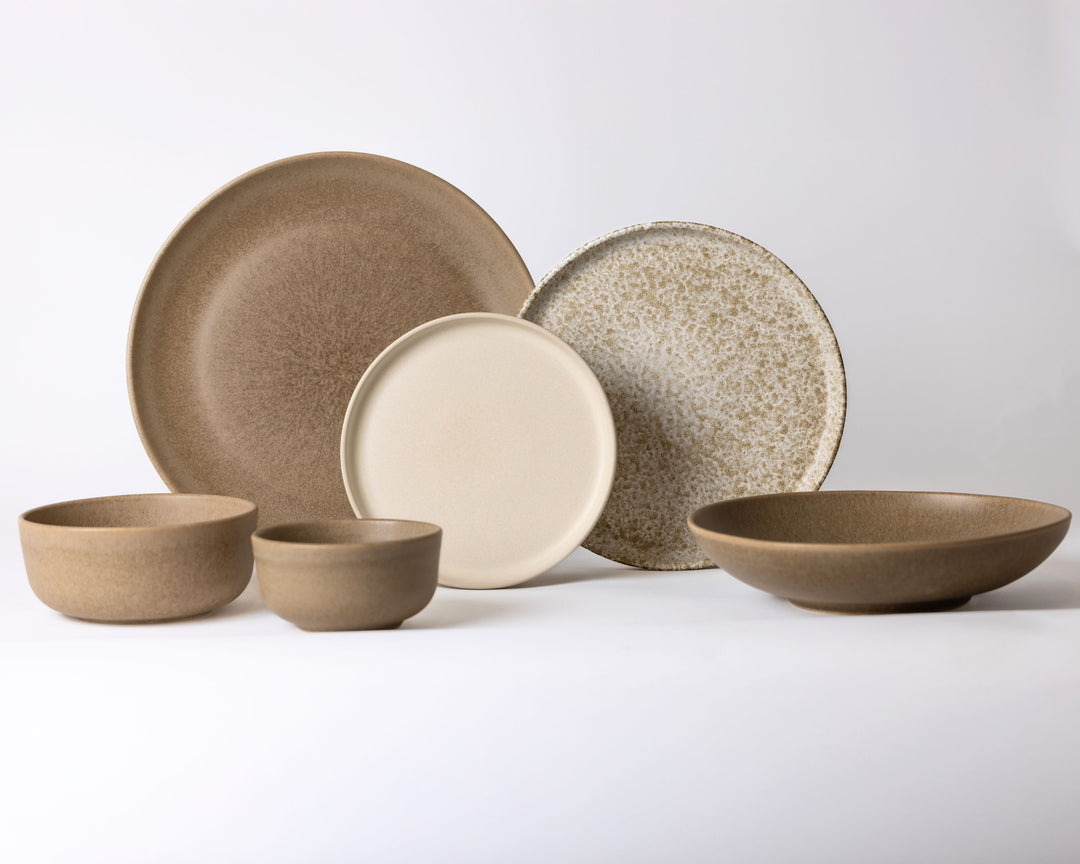
One of the most cherished aspects of Japandi at the table is that you don't have to match everything. Japandi embraces subtle differences. A plate in Broken Shells next to a bowl in On The Rocks. Coffee cups in Deep Moss with a dinnerware set in Dreamy Ivory.
It works because the colors speak the same language. The same matte finish, the same understated intensity. You're not just combining anything with anything: you're combining pieces drawn from the same palette.
That's the freedom a well-designed dinnerware collection offers. You start with a few pieces and build at your own pace, without anything ever clashing.
How Japandi differs from simply minimalist
Japandi is sometimes confused with minimalist, but there's a difference. Minimalism is about omission. Japandi is about choice. What is there, has a reason. It could be a beautiful stone you brought home from a beach. A wooden cutting board that has lasted for years. It's not about less. It's about meaning.
A good dinner begins with beautiful dinnerware.
Japandi dinnerware by Mimo
Our dinnerware sets are crafted in Portugal by skilled artisans. The clay, glaze, and firing process are carefully chosen to achieve the result that fits the Japandi aesthetic: matte colors, organic shapes, subtle variations that give each piece its own character.
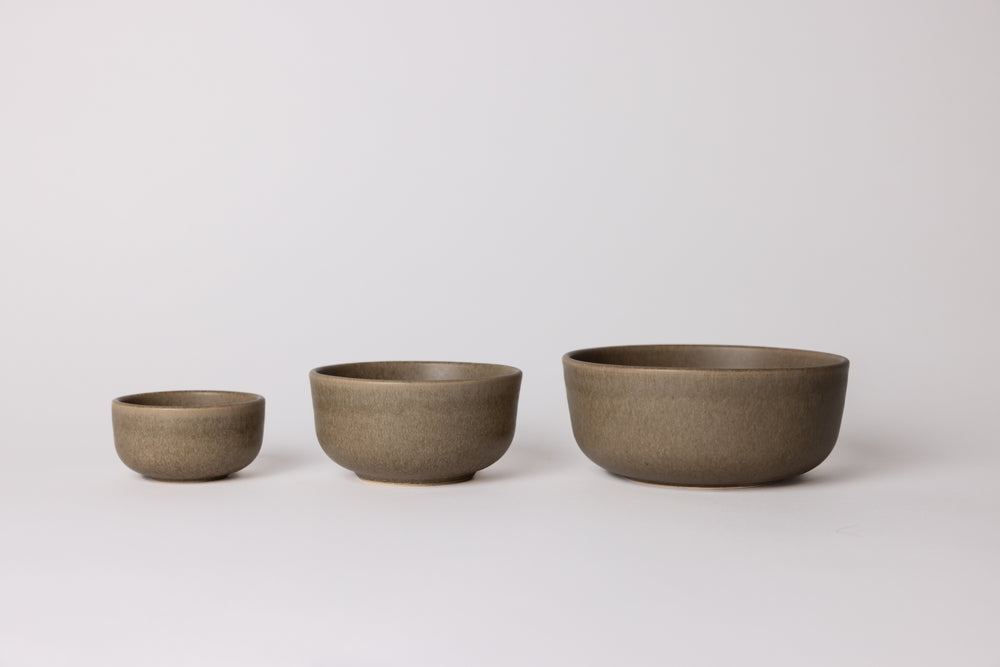
The collection is curated so you can start with what you need and expand later. A dinnerware set for two, complemented by a few coffee cups. Or a full set for six, where each plate has its own shade that still complements the others.
Explore our Japandi dinnerware sets or discover our ceramic coffee cups as an entry point into the Mimo collection. Looking for a calm base? Start with our beige tableware.
Want to know more about the Japandi style as an interior trend? Then read our page about Japandi and how it fits with Portuguese ceramics.