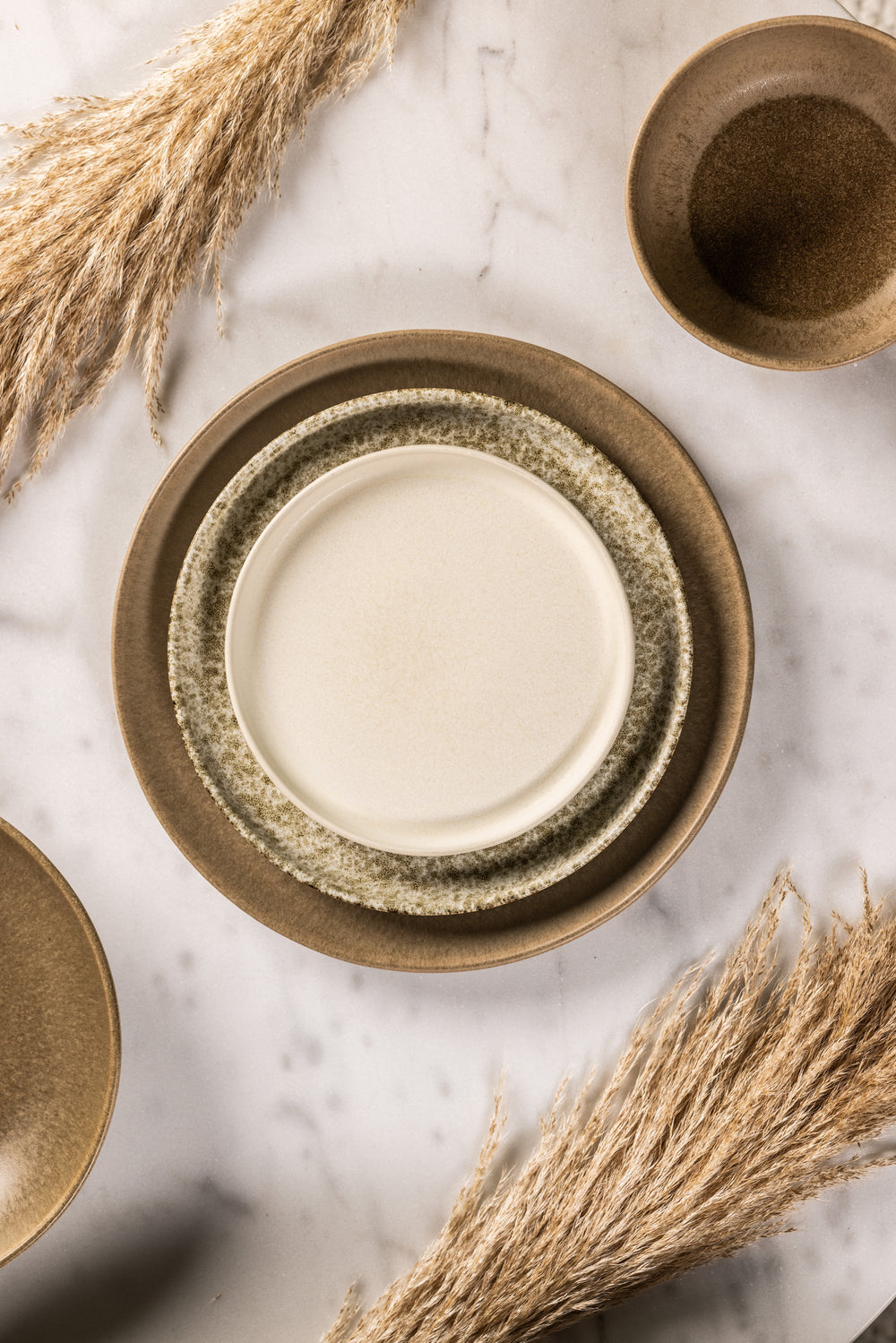

Japandi on the table: 7 tips for a calm and warm table

Japandi is the meeting of Scandinavian simplicity and Japanese craftsmanship. It's a style you don't so much see, but primarily feel: calm, warm, and no-frills. On the table, this translates into natural materials, soft earth tones, and above all, the art of omission. The great thing is that you don't need a completely new interior for it. With a few conscious choices, you can bring Japandi tranquility home. In this blog, we'll guide you through seven tips, from the base color to the way you gradually build your table.
What exactly is Japandi?
Before we set the table, it's good to know where the style comes from. Japandi combines Japanese 'wabi-sabi', the beauty of imperfection, with Scandinavian 'hygge', the value of simplicity and coziness. These two worlds may seem far apart, but they share the same core: fewer things, better materials, and peace instead of busyness. At home, this means no overflowing cupboards with dinnerware you never use, but a small collection that you enjoy using every day. Mimo is for people who consciously choose what goes on their table, and Japandi
is the natural expression of that.
1. Start with earth tones
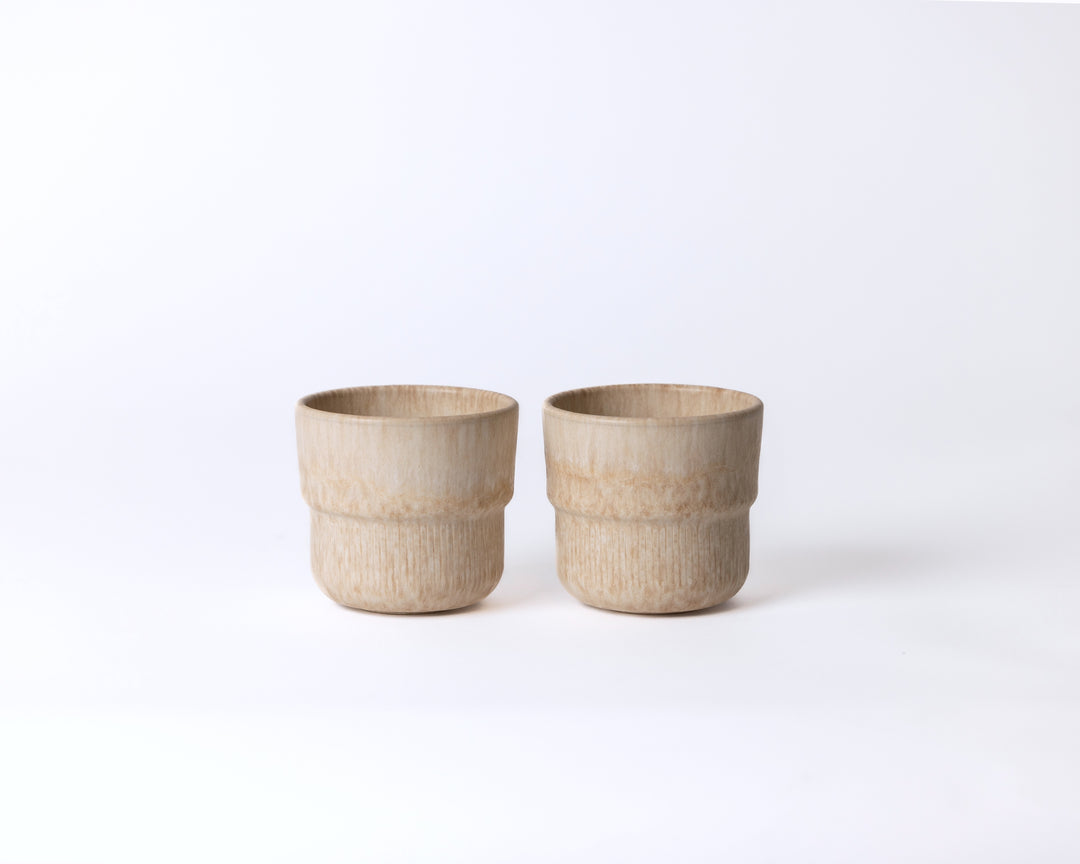
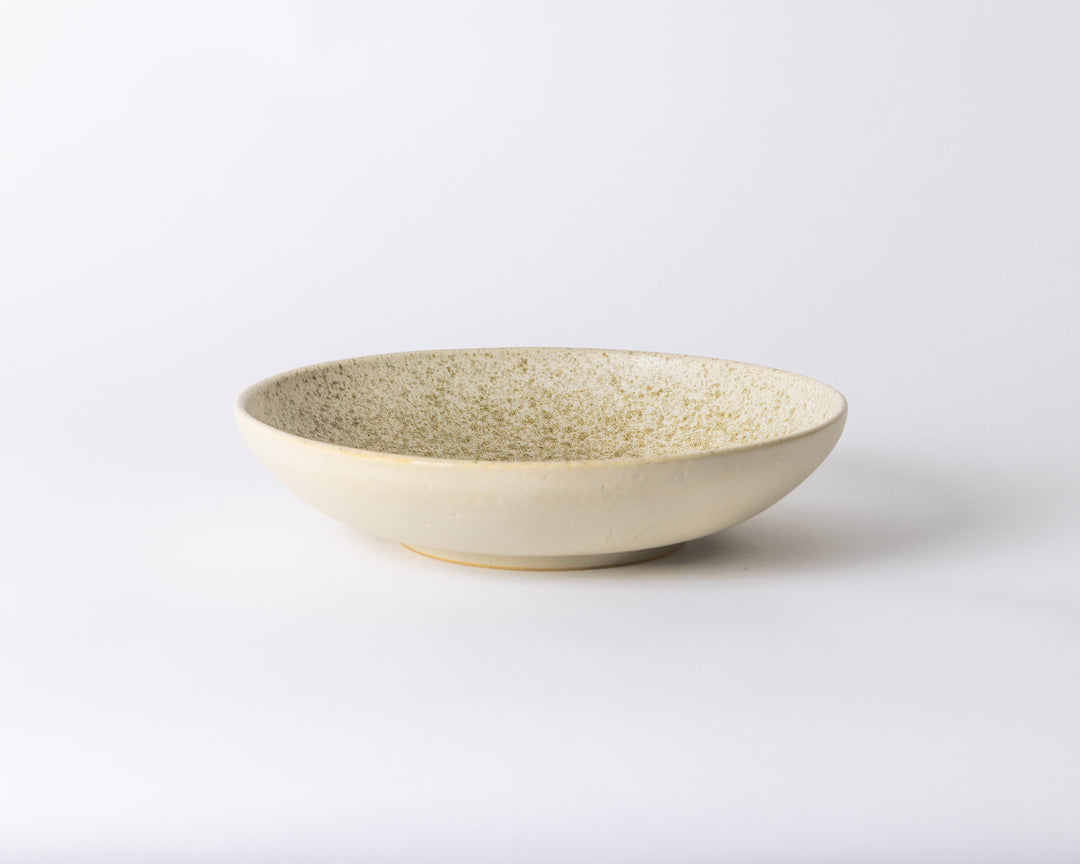
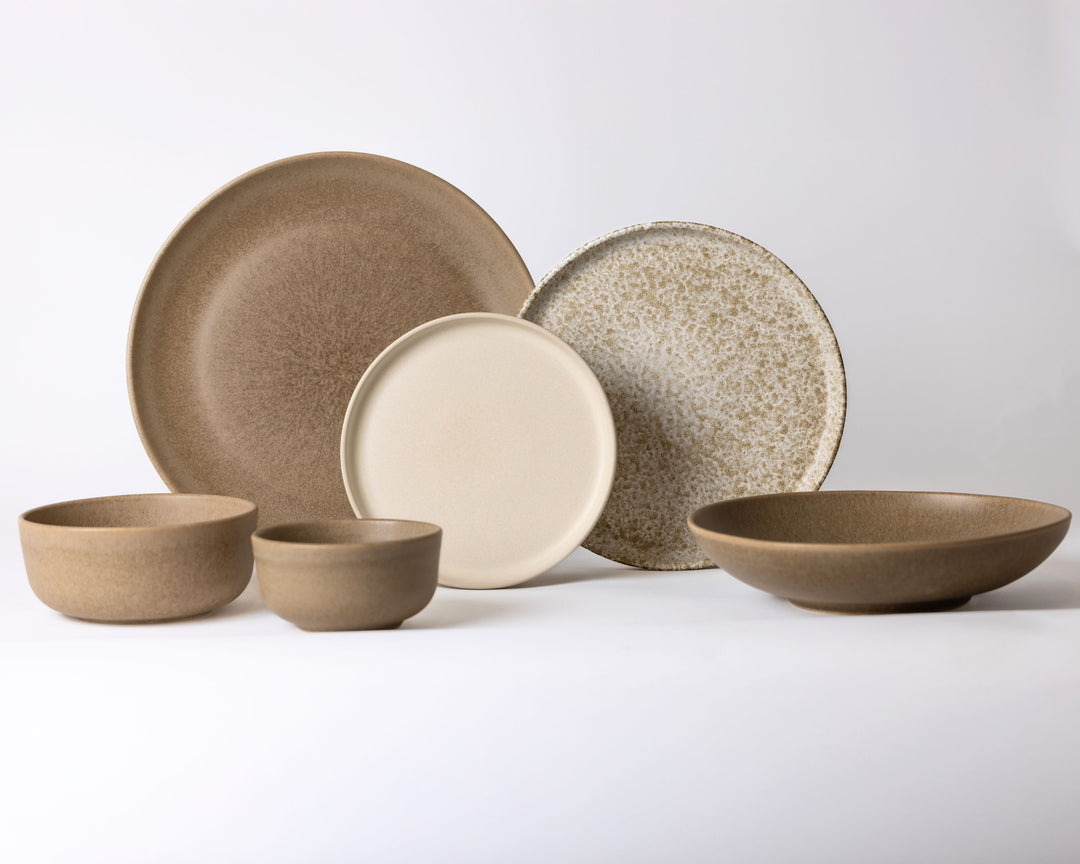
Color is the foundation, so start there. Choose a neutral base in beige, clay, or off-white. Earth tones bring tranquility because they don't demand attention, and they have another practical advantage: they make your food look better. A green salad, a warm stew, or a simple breakfast look better on a soft background. A beige dinnerware set is therefore the easiest starting point. It matches everything you already have and you won't get tired of it quickly.
2. Choose character over perfection
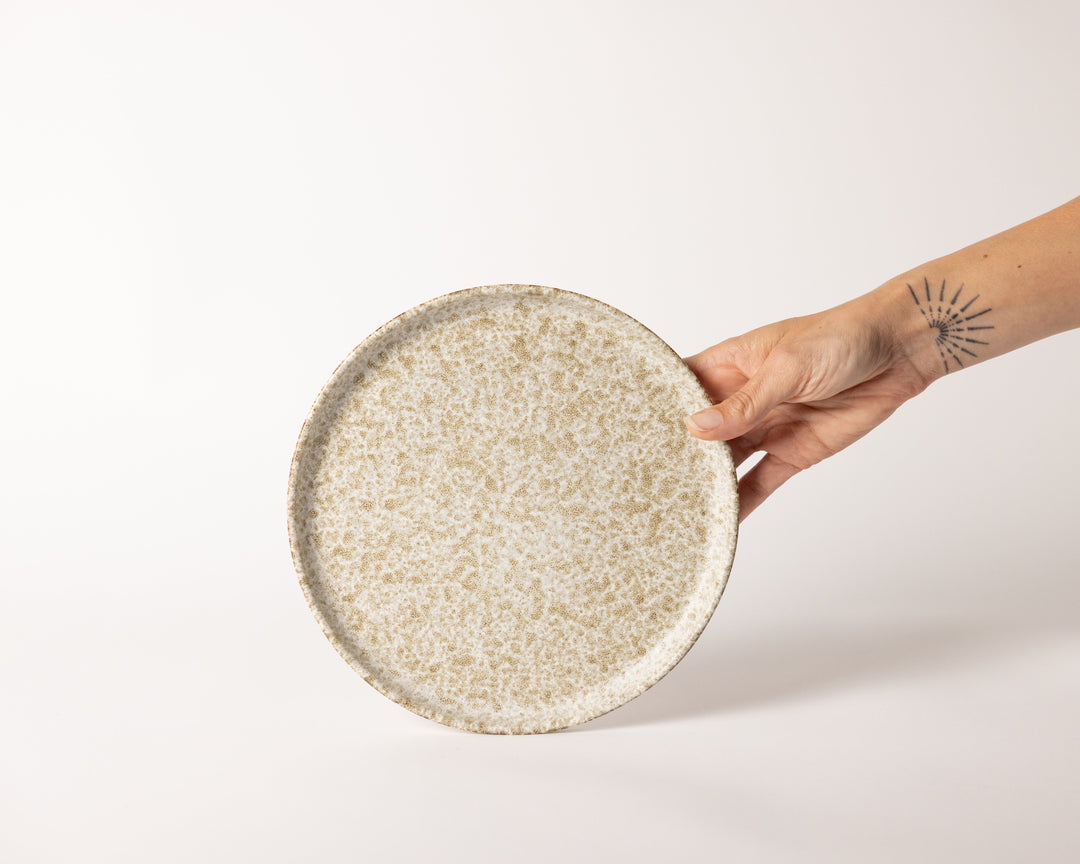
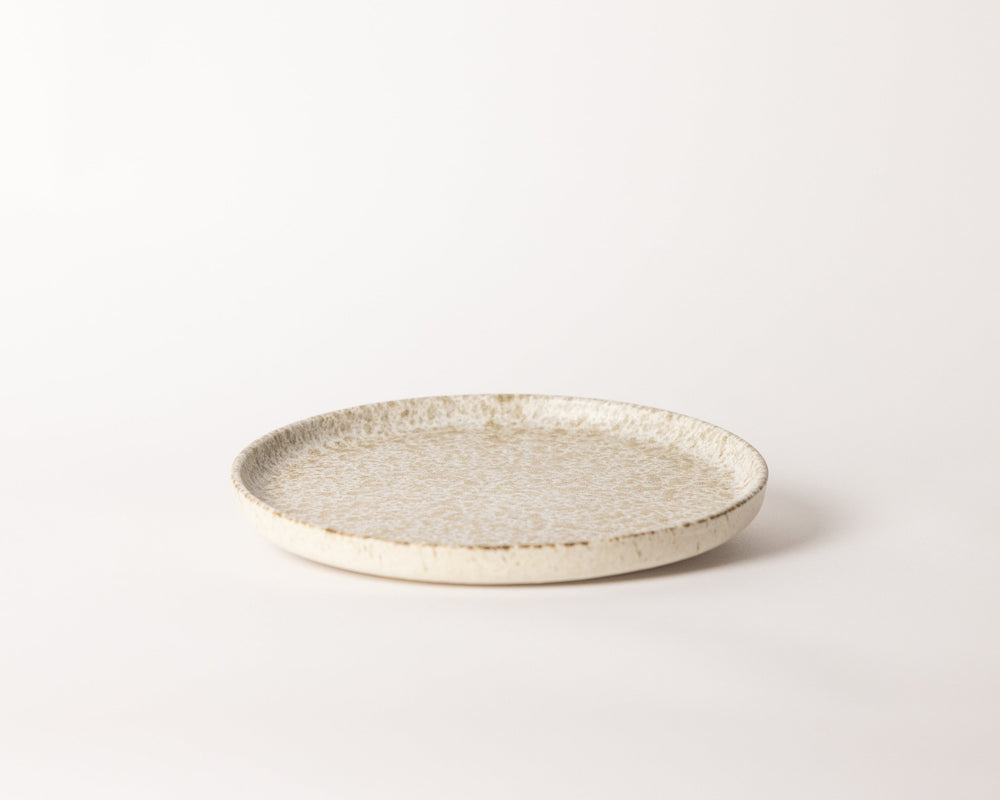
Japandi loves irregularity. Where much dinnerware is identically manufactured, a Japandi table can show small differences. Our Portuguese ceramics are hand-finished and get their color from a reactive glaze. This glaze 'moves' during firing, so no two pieces are exactly alike. Each plate is unique due to the glazing process, and precisely these small nuances make a table warm.
3. Less, but more beautiful
The biggest pitfall when setting a table is putting too much on it. Japandi is about omission, so dare to leave space. A plate, a bowl, and a beautiful coffee cup are often enough. That empty space on the table is not a shortcoming, but part of the design. It gives your dinnerware the attention it deserves and your table a calm, almost minimalist
look.
4. Work with natural materials

A Japandi table is an interplay of textures. Therefore, combine your ceramics with other natural materials, such as a linen napkin, a wooden board, or a single branch or dried flower as a centerpiece. Avoid shine and opt for matte, tactile surfaces. This combination of matte ceramics and soft textiles adds depth without being busy.
5. Keep the colors calm
If you do want to add color, stick to the same calm tone. A
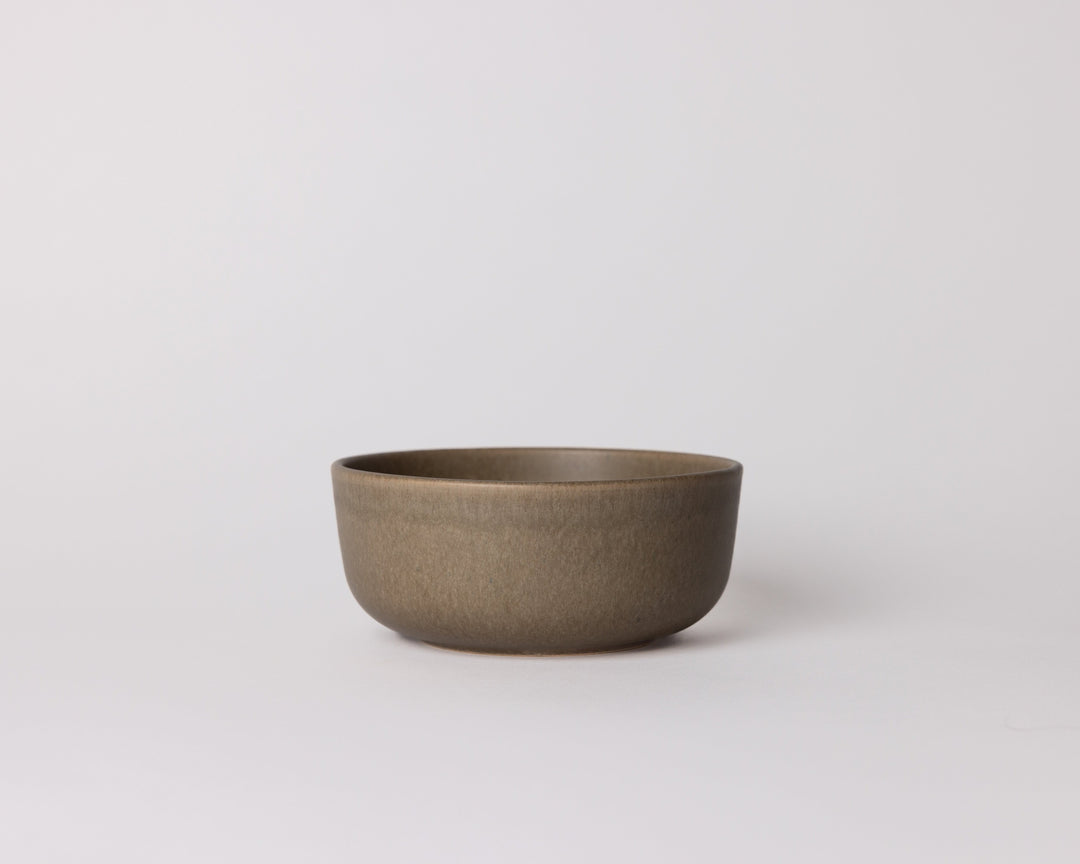
green dinnerware set or a warm earth tone works beautifully within the Japandi style, because colors in nature also occur side by side. Bright or contrasting colors distract attention and break the tranquility. Think more of the shades of clay, moss, and sand than a full color palette.
6. Stack smartly
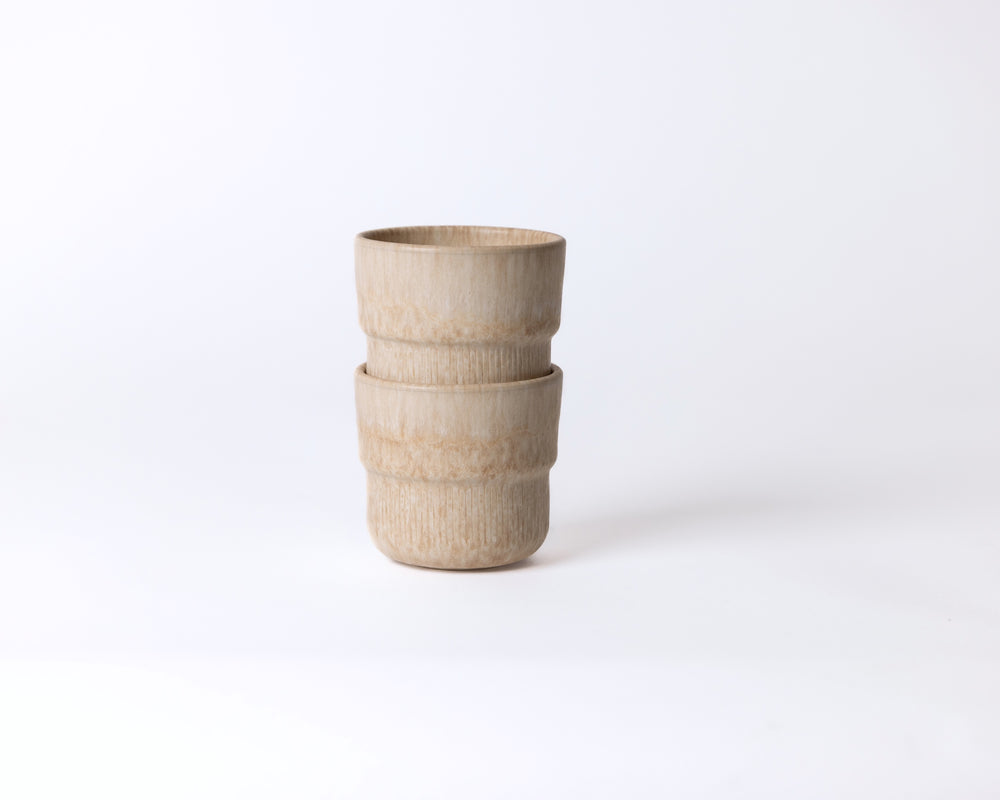
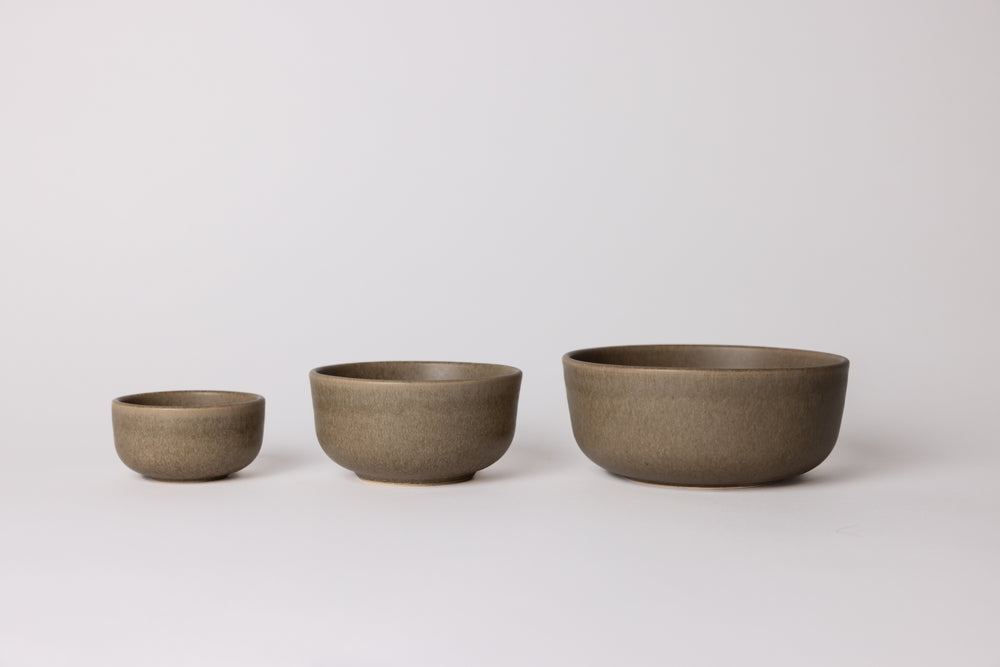
Practical and beautiful don't have to be mutually exclusive. Our coffee cups and plates are stackable, so they take up little space in the cupboard. And if you have an open cabinet, a neat stack of dinnerware in the same shades is already a calming sight. This way, the Japandi idea extends into your kitchen cabinet.
7. Build slowly
Perhaps the most important tip: a Japandi table is created in small steps, it is not bought all at once. Start with a dinnerware set you use every day and expand when you find something that truly suits you. Because we work with fixed earth tones and colors, everything remains coordinated, even if you add something months later. That's mix & match as it's meant to be, timeless and unhurried.
Ready to build your own table? Read more about the idea behind the style in our guide on the Japandi style, or view the complete Japandi dinnerware directly. If you are still in doubt about your style, we will help you on your way in which dinnerware set suits you.