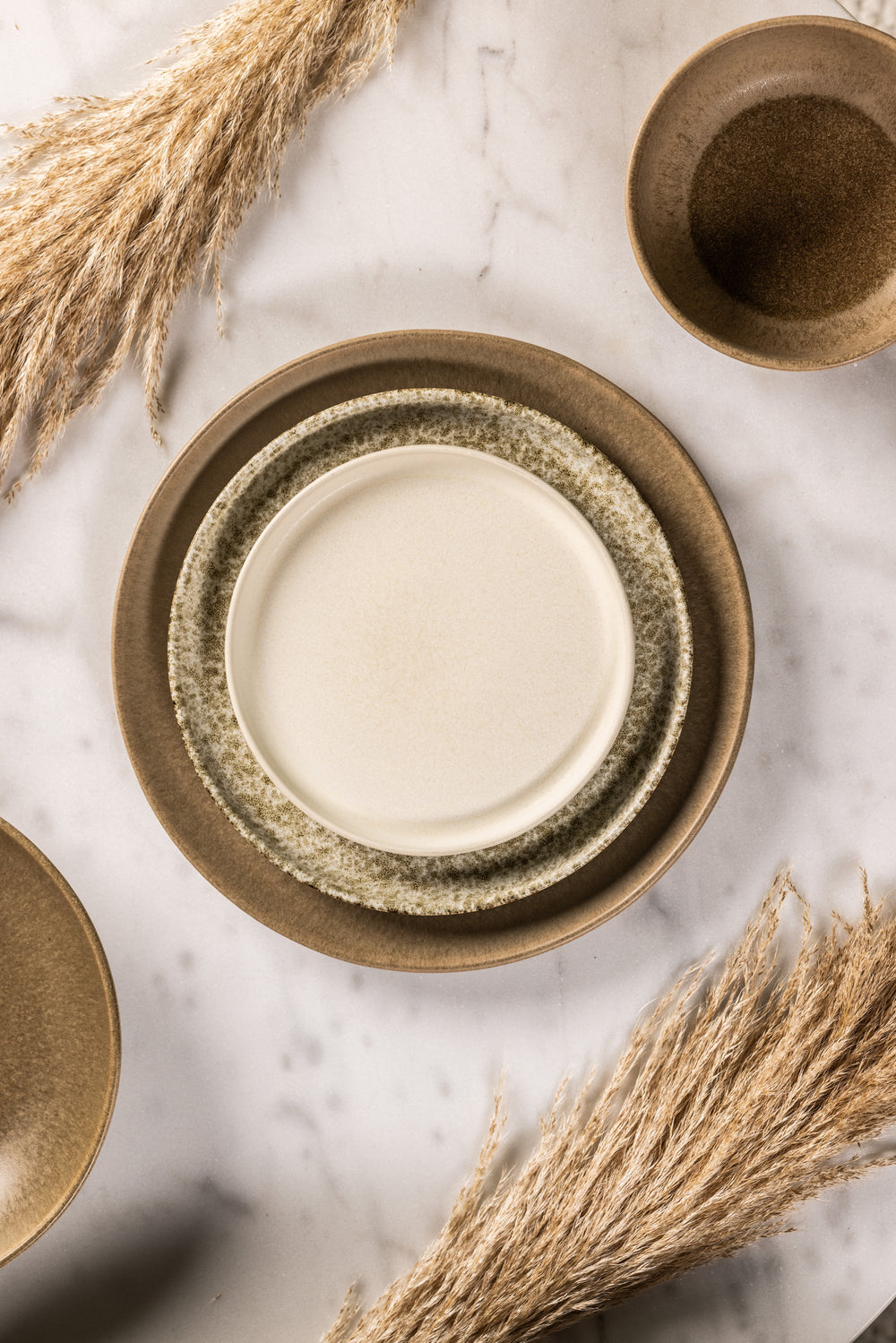

The Craft Behind Ceramics and Japandi

Japandi feels like a modern style, but its roots stretch back thousands of years. Because while the style itself is young, the material it revolves around is anything but. Ceramics is one of the oldest crafts known to man, and it is precisely this long history that explains why ceramics and Japandi fit together so naturally. In this blog, we look at the background of the craft, from Japanese tea bowls to Portuguese pottery villages, and what that tradition means for the crockery on your dining table.
Ceramics, the oldest craft at the table
Long before glass or porcelain existed, people were already forming bowls and pots from clay. The core recipe has never changed: earth, water, fire, and patience. Clay is shaped, dried, glazed, and fired at high temperatures until it becomes hard and durable. What makes ceramics special is that the material retains the hand of the maker. Every turn, every irregularity in the glaze tells something about how the piece was created. A plate is therefore never just a utensil, but also a small piece of craftsmanship that you hold every day.

The Japanese roots: beauty in imperfection
Nowhere is the appreciation for ceramics as deeply rooted as in Japan. Around the tea ceremony centuries ago, an entire aesthetic developed that revolves around tranquility, simplicity, and attention. From this comes the concept of wabi-sabi: the beauty of the imperfect and the ephemeral. A tea mug does not have to be perfectly symmetrical. It is precisely a small imperfection or an unexpected color nuance that makes the piece valuable. You see the same idea in kintsugi, the tradition in which broken ceramics are repaired with gold, so that the break is not a shame but part of the story. Smooth perfection does not count, but character does.
The Portuguese tradition: clay, glaze, and generations of craftsmanship
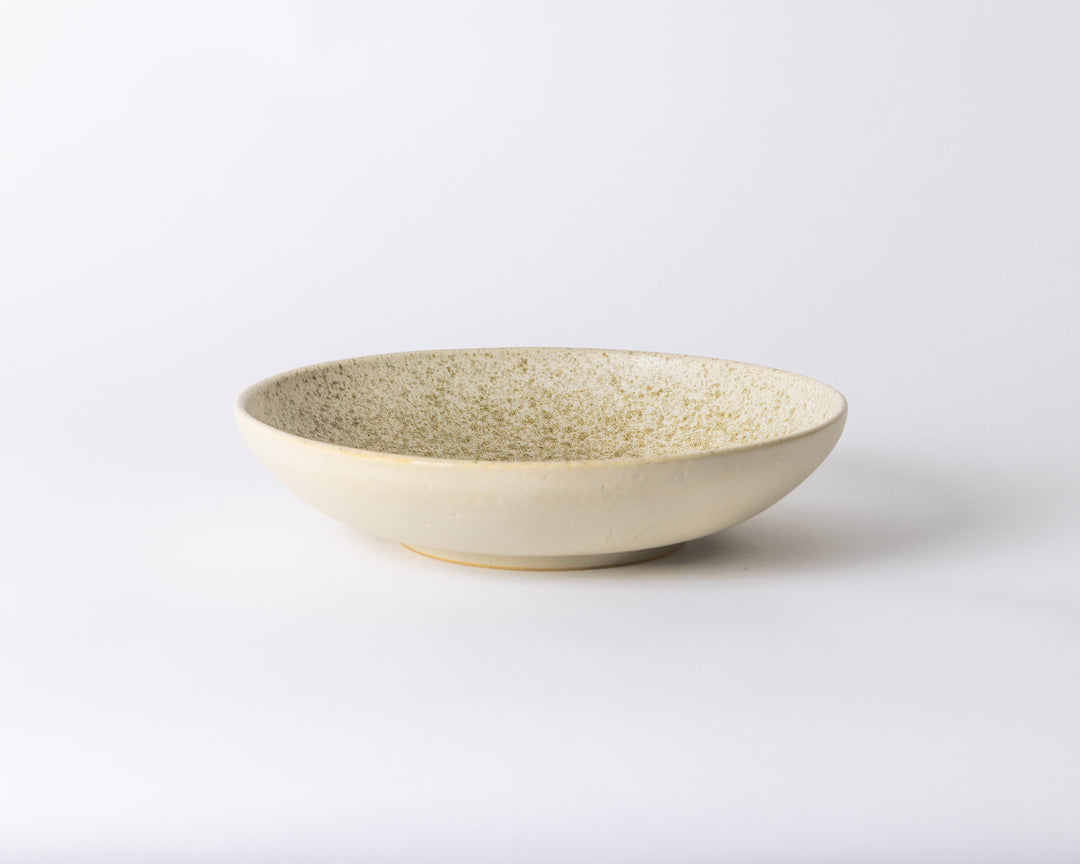
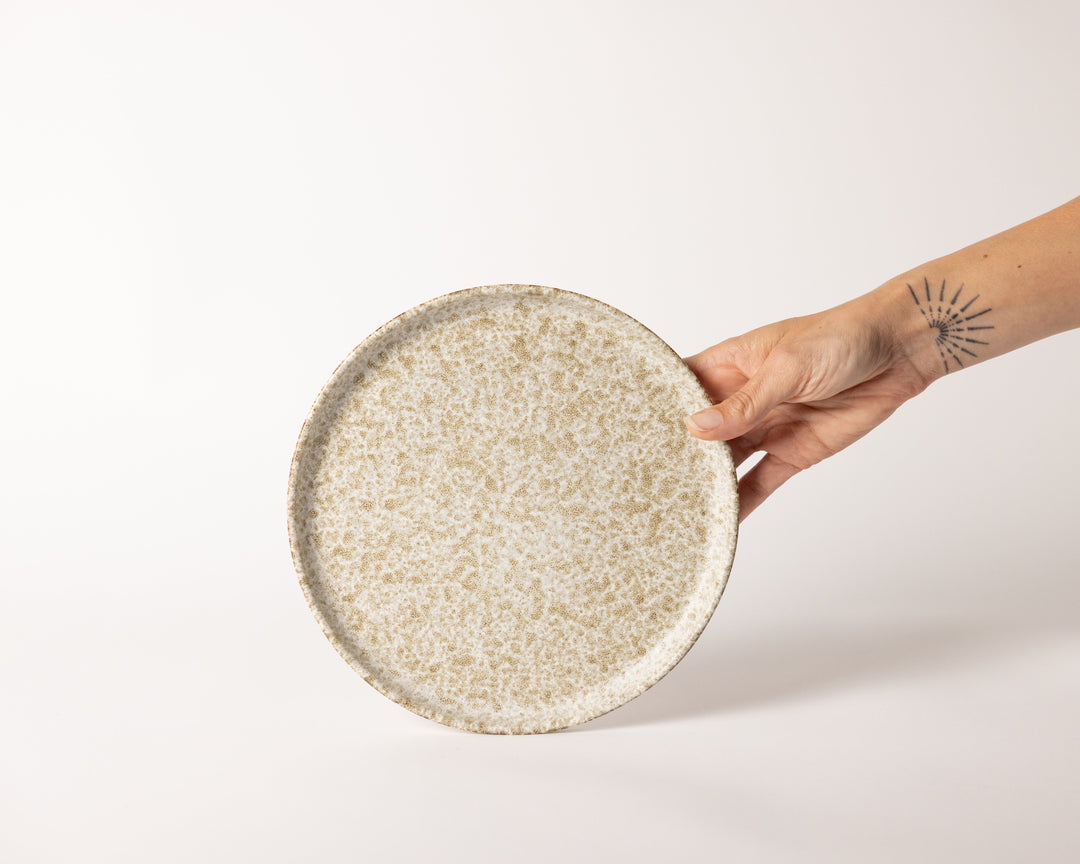
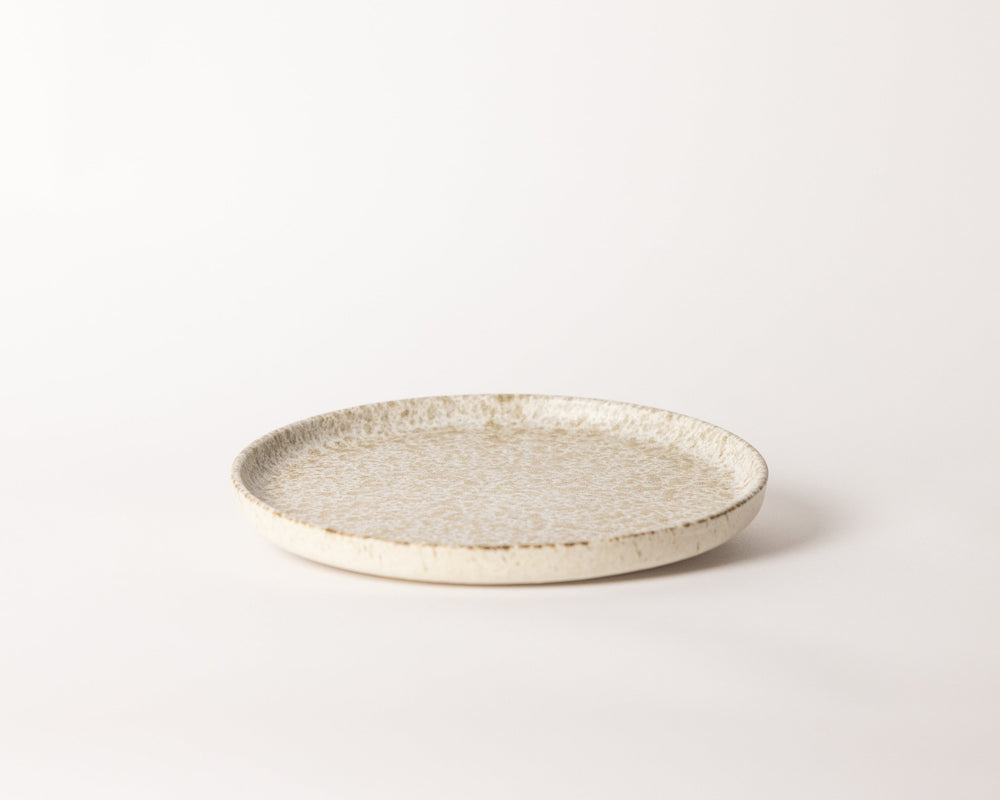
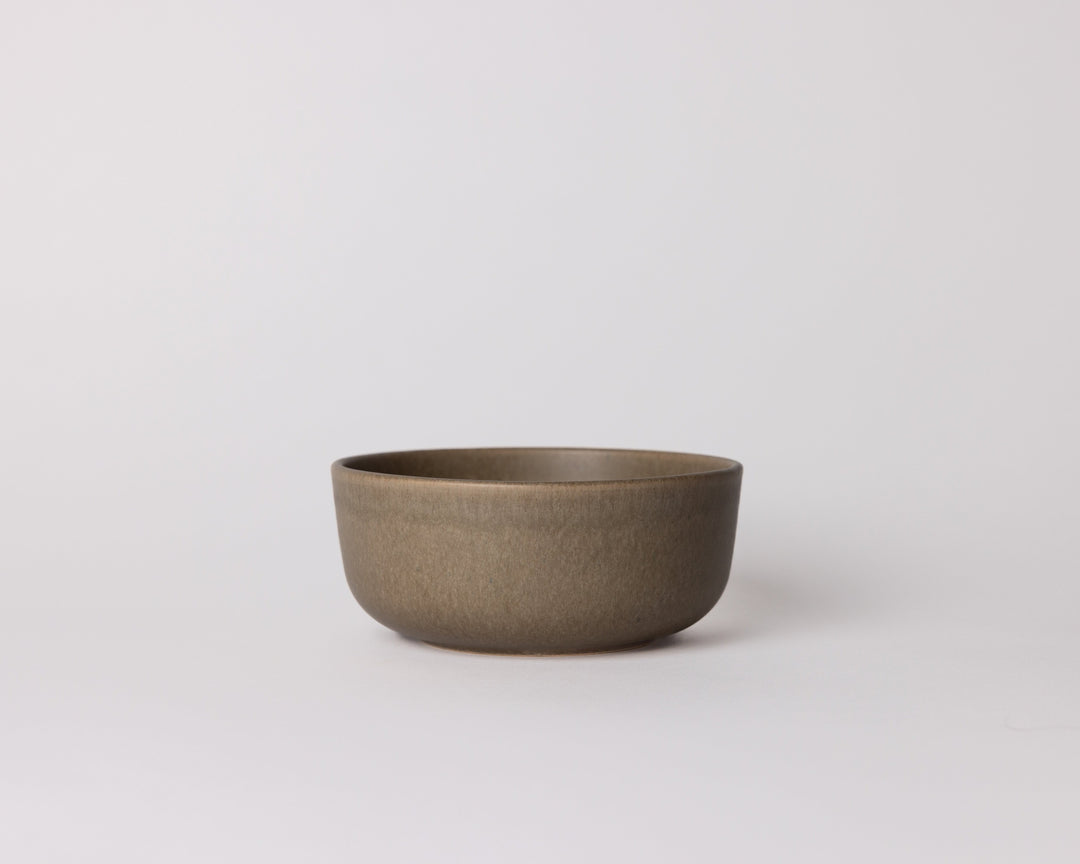
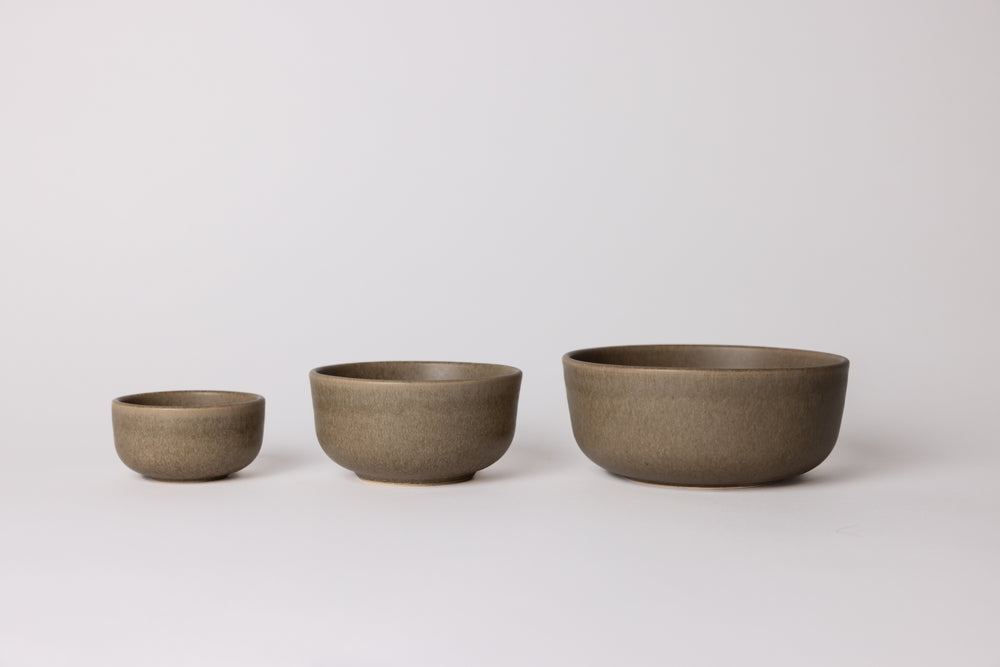
On the other side of the world, Portugal has an equally rich history of ceramics. In small pottery villages, dinnerware has been made and glazed for generations, with knowledge passed down from parent to child. The Portuguese clay and warm climate gave the craft its own earthy character. Where the Japanese tradition provides the philosophy, the Portuguese tradition provides the craftsmanship and warmth. By using a reactive glaze that changes color during firing, no two pieces come out of the oven identically. This is no coincidence, but the logical consequence of a process in which the hand of the maker has the final say.
Where the two meet in Japandi
Here the circle closes. Japandi is the fusion of Japanese simplicity and Scandinavian functionality, but the material that best carries this style comes from a much older tradition. Ceramics embodies exactly what Japandi demands: natural materials, the work of human hands, and beauty that doesn't need to shout. The wabi-sabi idea from Japan and the generations-old craftsmanship from Portugal come together on one table. A ceramic dinnerware set is therefore not just a trend, but the continuation of a craft that has been around for millennia. If you want to understand the style better yourself, you can read more about it in our blog about the Japandi style.
From philosophy to table
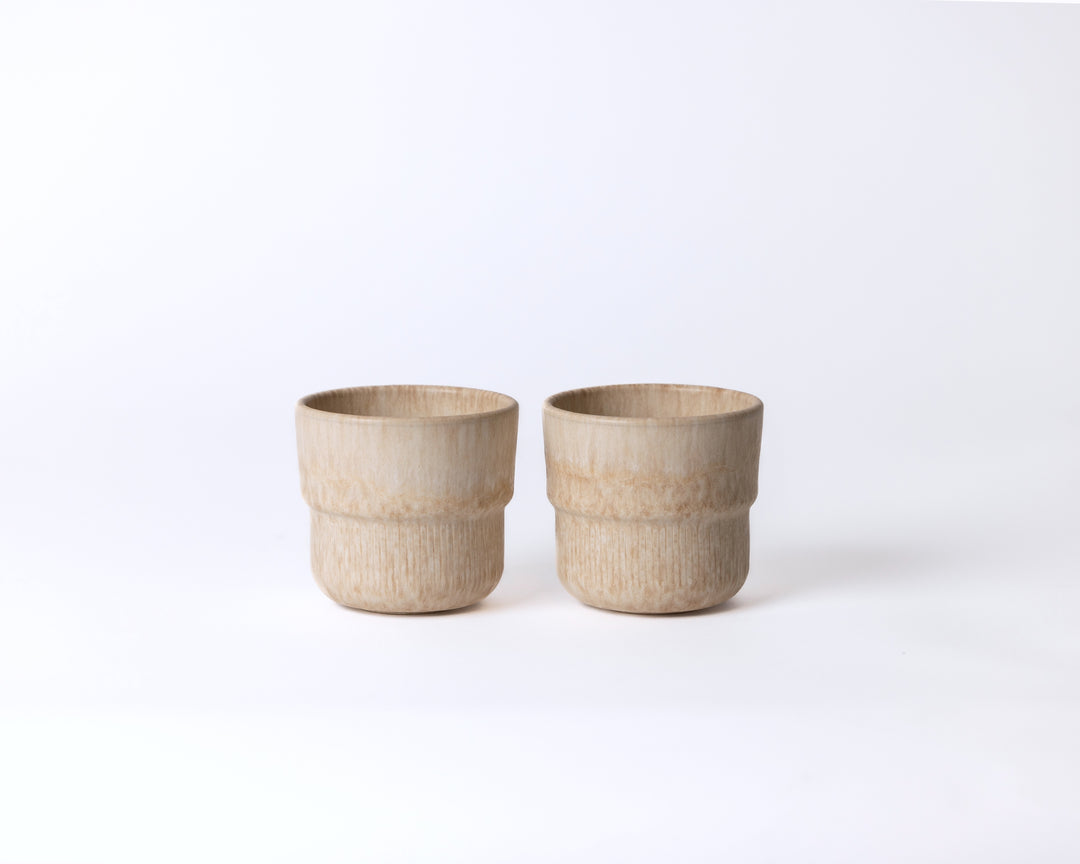
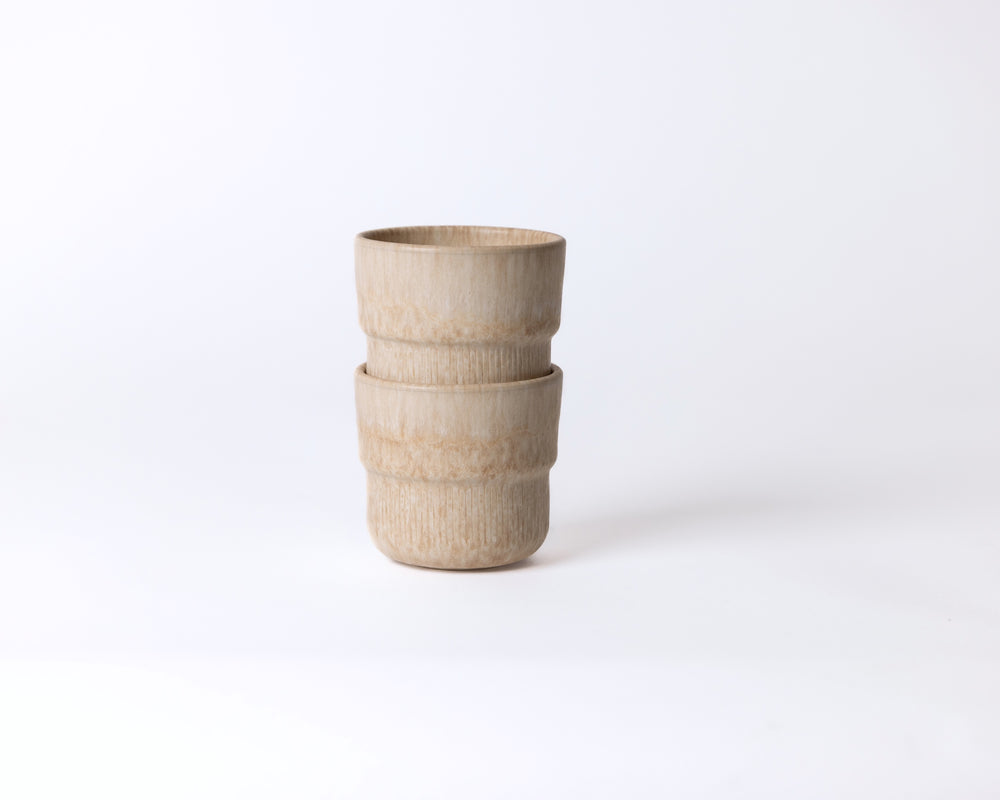
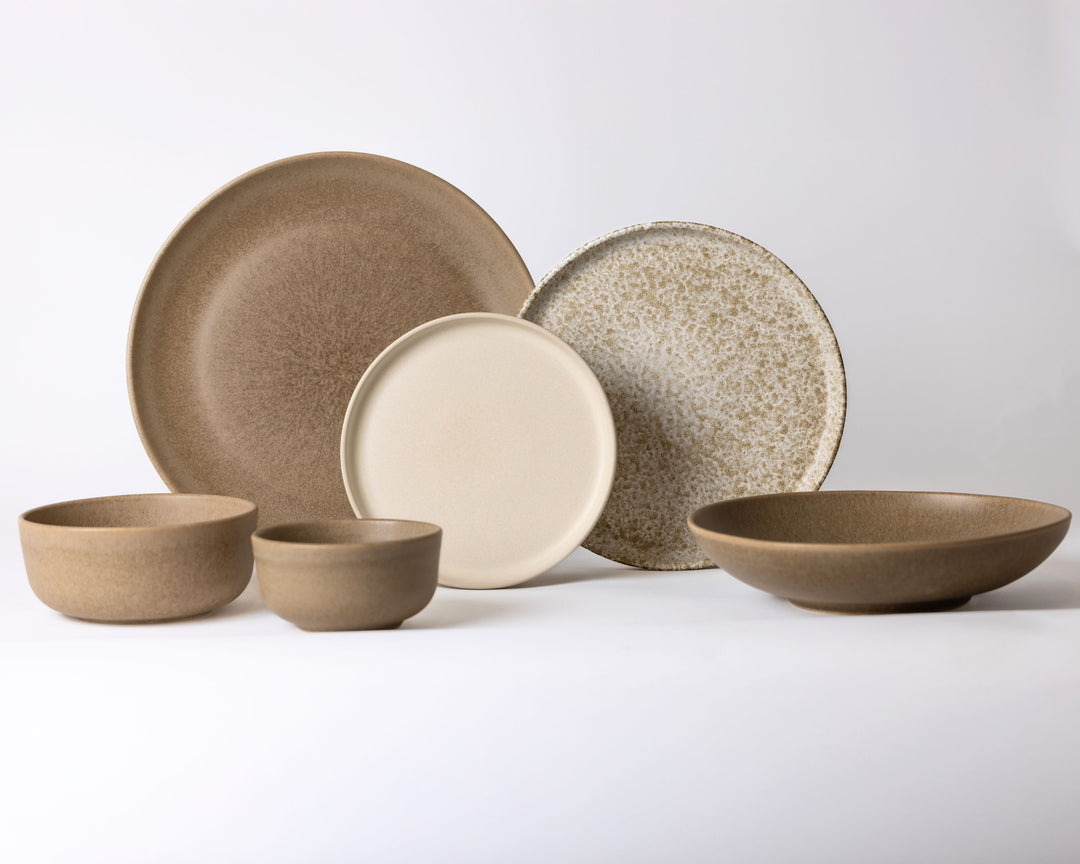
What does that background specifically mean when you choose dinnerware? Above all, this: a table with ceramic dinnerware should be lively. Small color differences between plates are part of it; they are proof of the craftsmanship. Neutral earthy tones, such as those found in a beige dinnerware set, are closest to the tranquility that Japandi seeks, as they keep the focus on the material and the food. And it doesn't have to be complete all at once. Just like the tradition itself, a ceramic collection grows slowly, whether you start with a few plates or a coffee cup for your morning coffee. The craft has taken time, and so can your table.
Ceramics thus connects the distant past with your own dining table. And perhaps that is the most beautiful characteristic of Japandi: it brings centuries of craftsmanship back to something as everyday as a well-laid table. Want to discover more about our Portuguese ceramics? You can find the story behind each color on the product pages.